


Custom Seat Covers - Waterproof Fabric Guide
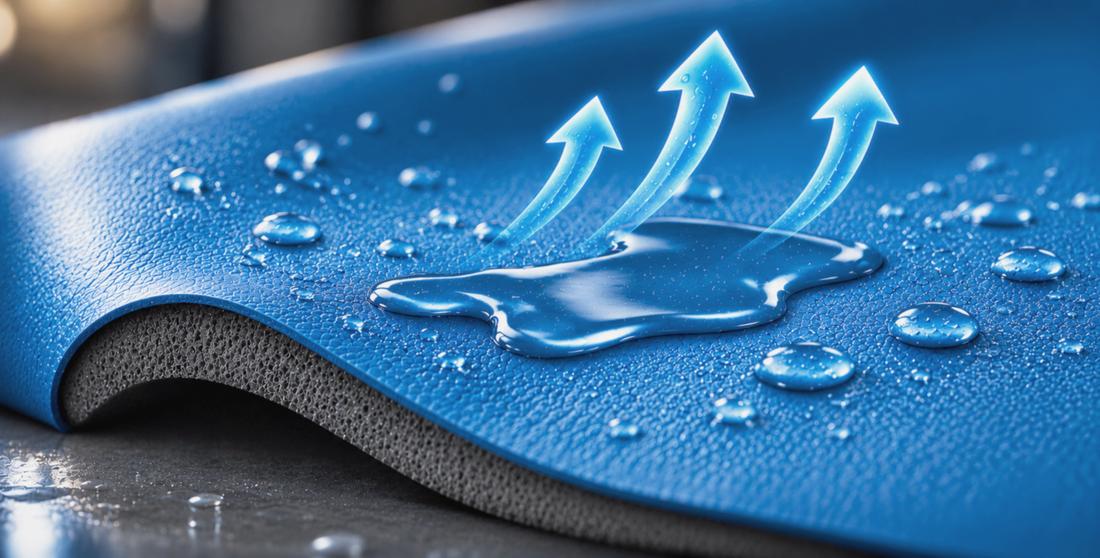
Understand the differences between waterproof and water-resistant materials, which seat covers work best for your lifestyle, and how to keep them looking and performing their best.
Waterproof vs. Water-Resistant: What's the Difference?
Not all seat cover fabrics handle water the same way. Some materials are designed to repel moisture, while others create a barrier that prevents water from passing directly through the material.
Waterproof fabrics are designed to prevent water from passing through the material itself under their intended conditions. They're especially useful for protecting against wet clothing, accidental spills, and other sources of moisture.
Water-resistant fabrics can help keep light moisture, splashes, and small spills from immediately soaking through. Depending on the material, water may bead up on the surface, giving you time to wipe it away before it penetrates. However, prolonged exposure, heavy saturation, or pressure could eventually allow moisture through.
There's one important distinction: even if the fabric itself is waterproof, that doesn't necessarily make the entire seat waterproof. Seams and stitching where the seat covers come together can still allow water to reach the upholstery underneath. We always recommend wiping away liquids when you are able to. At Seat Covers Unlimited, we believe it's important to understand these differences so you can choose the right protection for your vehicle.
How Do Our Seat Cover Fabrics Handle Water?
Leatherette features a waterproof surface that prevents liquids from penetrating the material. Spills stay on the surface, making them easy to wipe away before they reach your original upholstery. This makes Leatherette an excellent choice for family SUVs, work trucks, and everyday messes. Leatherette Custom Seat Covers
Shop seat covers →
Neo-Sport Neoprene is an excellent choice for swimmers, beachgoers, and anyone who regularly gets into their vehicle with wet clothing. Made with real neoprene, the material provides a waterproof barrier that helps prevent liquids from penetrating through to your original upholstery. Its soft, flexible feel also makes it a comfortable choice for everyday driving. Neo-Sport Custom Seat Covers
Shop seat covers →
Canvas is built to handle tough jobs, dirty gear, and everyday wear. Its tightly woven fabric helps repel light moisture and spills, giving you time to wipe them away before they soak through. Combined with our 3/8-inch foam backing, Canvas provides an additional layer of protection for your original upholstery. It's an excellent choice for work trucks, outdoor adventures, and active lifestyles. Two Tone Canvas Custom Seat Covers
Shop seat covers →
Quilted Leatherette combines a premium stitched appearance with everyday protection against spills and moisture. While the Leatherette material itself is waterproof, stitching and perforations can allow some water to pass through. Perforated versions also provide some airflow for added comfort. It's a great choice for drivers who want a stylish interior with practical protection. Leatherette - Quilted Custom Seat Covers
Shop seat covers →
Upholstery Fabrics, and Saddle Blanket are generally chosen for other qualities, such as comfort, texture, and appearance, rather than maximum liquid protection. However, we do treat them with Scotchgard and consider them water resistance as well.
What Happens When Water Sits on Your Seat Covers?
A little water on your seat covers isn't necessarily a problem, especially when you're using a material designed to resist moisture.
However, there's a difference between a few drops of water and leaving a soaking-wet towel, swimsuit, or jacket sitting on your seats for hours.
Even with a waterproof material, moisture may find its way through seams, stitching, openings, or around the edges of the cover. Water trapped underneath a seat cover can also take longer to dry.
Our recommendation is simple: clean up spills when they happen and avoid leaving wet items on your seats for extended periods. Seat covers add valuable protection, but taking care of them helps protect the original upholstery underneath, too.
How to Clean Waterproof & Water-Resistant Seat Covers
Keeping your seat covers clean doesn't have to be complicated. In many cases, regular maintenance is as simple as removing loose dirt and wiping away spills before they have time to settle into the material.
For Leatherette: Start with a soft, damp cloth to remove everyday dirt and spills. For tougher messes, use a mild cleaner approved for the material. Avoid abrasive brushes, harsh solvents, and products that could damage the surface.
Leatherette Custom Seat Covers
Shop seat covers →
For Neoprene: Remove loose debris and gently clean the surface with a damp cloth and mild soap when appropriate. Avoid aggressive scrubbing, high heat, and harsh chemicals that could damage the material or its bonding.
Neo-Sport Custom Seat Covers
Shop seat covers →
For Canvas: Brush or vacuum away loose dirt before spot-cleaning. Use a cleaning method appropriate for your specific fabric, particularly if it has a water-resistant coating or treatment.
Two Tone Canvas Custom Seat Covers
Shop seat covers →
After cleaning, allow the material to dry thoroughly. Avoid reinstalling covers while they're still damp, and always follow the care instructions provided for your specific seat cover fabric.
One important thing to remember: not every seat cover should go into a washing machine. Different materials can require different cleaning procedures.
Can Washing Affect Water Resistance?
Some fabrics get their water resistance from a protective finish or treatment applied to the material. Over time, repeated cleaning, abrasion, and everyday use can reduce the effectiveness of that treatment.
This doesn't necessarily mean the fabric is worn out. It may simply mean water no longer beads up on the surface as effectively as it once did.
Certain water-resistant fabrics can be treated again with a compatible fabric protectant, but it's important to use a product approved for the specific material. Not all waterproofing sprays are suitable for automotive seat covers, and some can change the appearance, texture, or breathability of the fabric.
For materials such as Leatherette or Real Neoprene, maintaining the original surface and construction is generally more important than applying a generic waterproofing spray. Before using any waterproofing or cleaning product, check that it's compatible with your seat cover material.
Simple Tips to Keep Your Seat Covers Protected
A little regular maintenance can go a long way toward keeping your seat covers looking good and performing as intended.
- Clean spills promptly. Even with waterproof materials, don't let liquids sit around seams or openings.
- Remove dirt before scrubbing. Sand, dust, and debris can be abrasive when rubbed against fabric.
- Avoid harsh cleaning chemicals. Strong solvents, bleach, and abrasive cleaners may damage certain materials or finishes.
- Allow wet covers to dry. Don't leave moisture trapped between your seat covers and original upholstery.
- Be careful with high heat. Excessive heat can affect certain fabrics, coatings, foam backing, and adhesives.
- Check for wear. Pay attention to seams, high-contact areas, and places where material may be rubbing against hard surfaces.
- Follow fabric-specific care instructions. What works for Canvas may not be appropriate for Leatherette, Neoprene, or Sheepskin.
The better you care for your seat covers, the better they'll be able to continue protecting the seats underneath.










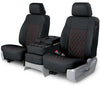





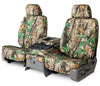


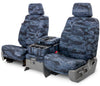

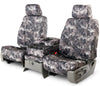

Custom-made seat covers are tailored to match your exact vehicle seats. They contour perfectly, providing a factory-fit look and preserving your original upholstery. Each cover is crafted with precision and made to order, ensuring quality, comfort, and style.